
By the time most people reach their 50s, travel priorities have shifted. Backpacking Europe is generally off the table and comfort, simplicity and safety take priority over adventure. That’s exactly why cruises continue to stand out as one of the best ways to travel for older adults.
While most 50+ travelers understand the basics of cruising, when it comes to river cruises vs ocean cruises, many travelers find themselves asking the same question: Which one is actually better?
River Cruises vs Ocean Cruises: What’s the Difference?
At a high level, both river and ocean cruises simplify travel by combining transportation, accommodations, and destination experiences into one trip. If this sounds like a typical vacation, here’s the difference: cruises ease many of the travel headaches by establishing the itinerary for you and offering a preselected range of curated opportunities to explore new destinations.
Think of it like this. If you want to plan a road trip, you must first decide what you want to see, plan the itinerary, map out your route of travel, book places to stay along the way and plan for meals at each stop. Whether you select a river cruise or ocean cruise, all of that planning has been done for you. All you need to do is select an itinerary to your liking and pick the right cruise line.
But then you realize, there are ocean cruises and river cruises. Both sound similar, but there are some distinct differences:
- River cruises focus on destination immersion, are carried out on smaller ships, and can move at a faster pace
- Ocean cruises focus on variety, onboard amenities, and broader itineraries, often covering more geographical destinations
Understanding these differences is key to choosing the right fit—especially for travelers over 50 who seek simplicity and quality accommodations, even if it means they have to pay a little more for it.
What to Expect on a River Cruise
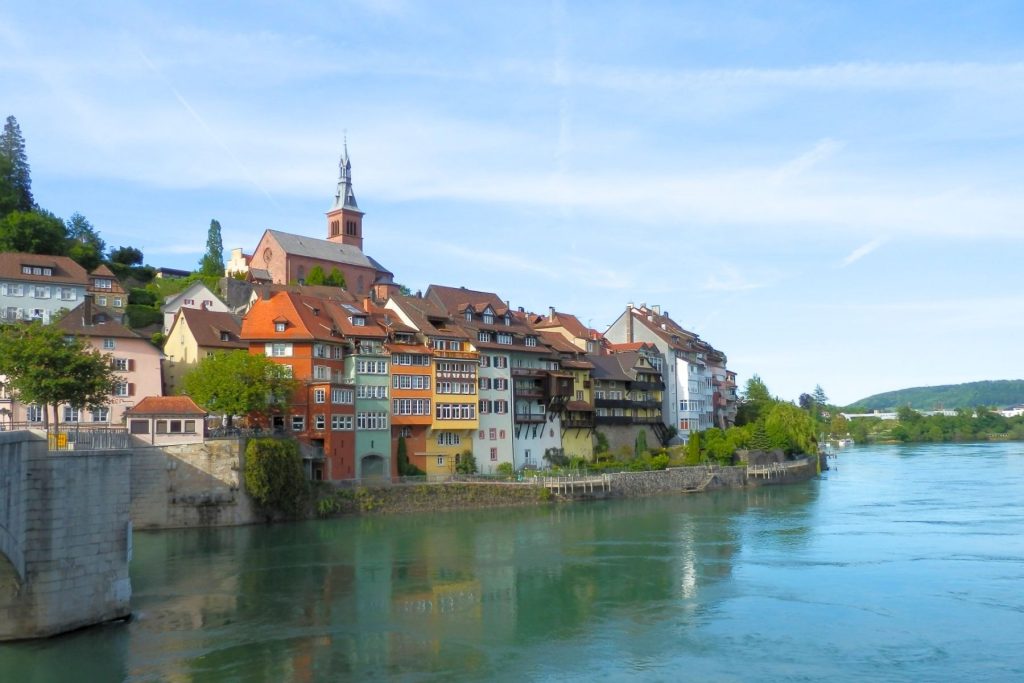
River cruises are often associated with European itineraries along rivers like the Danube, Rhine, and Moselle—and for good reason. When sailing Europe’s rivers, the sights are never far away and each bend in the water’s course brings a new view.
But over 50 travelers seek out river cruises for other reasons as well. This style of travel is built around access, simplicity, and immersion, making it an easy and safe way to travel abroad for older travelers.
Smaller Ships, Easier Navigation
Most river ships carry around 100–200 passengers.
That means:
- No crowds or long lines
- Short walking distances onboard
- A quieter, more relaxed environment
Given their small size, river cruise ship are naturally more social. Since space is limited, guests are often asked to dine together in large groups, over having private tables. If you’re an extrovert, you’ll find river cruises the perfect place to meet new people and engage in new topics of conversation. However, if you’re an introvert, you may find the atmosphere less to your liking.
However, given the many benefits of river cruises, it might be worth looking beyond the discomfort of meal times, if river cruising seems a good fit for you.
Docking in the Heart of Each Destination
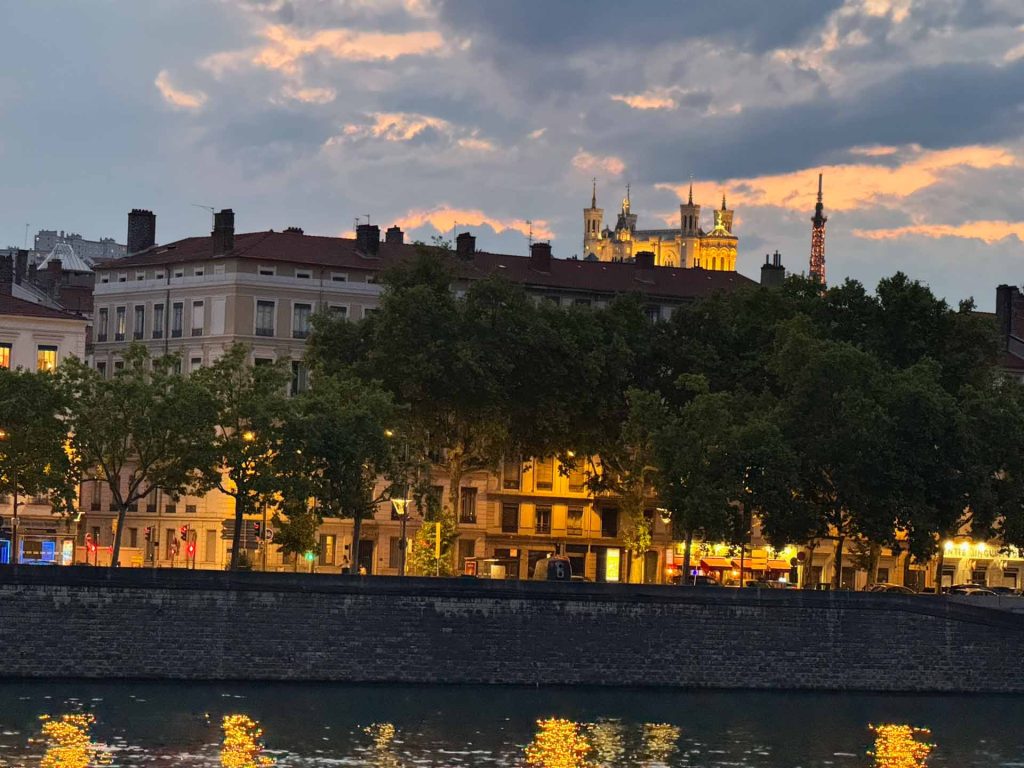
One of the biggest advantages in the river cruises vs ocean cruises comparison is location.
River ships dock directly in city centers, which allows you to:
- Step off the ship and start exploring immediately
- Avoid long bus transfers from port to city
- Spend more time in the destination itself
This level of destination immersion also makes it easier for included tours and shore exclusions to be led by local guides, since they can easily meet the ship in town. Most river cruises are built on the premise of culturaly immersion, and local guides are an important part of thise experience.
River Cruises Provide More Inclusions and REduce Planning
With lines like Viking River Cruises and AmaWaterways, at least one excursion each day is included in the cost of your fare.
This typically means:
- Guided tours in each destination
- Cultural experiences built into the itinerary
- Fewer extra costs to manage along the way
For travelers who want to experience a destination without planning the details themselves, this removes a lot of friction.
A Quicker but More Immersive Pace
River cruising is often referred to as slow-paced exploration, but I find river cruises to be as action packed as you’d like. Most days begin with an included shore excursion. Sea days are rare, so you best chance for relaxation is in the afternoon, if you haven’t signed up to attend an optional tour or onboard lecture.
Overall, you’ll find river cruising to be more structured than ocean cruising, and far more culturally immersive. Expect:
- At least one daily shore excursion to explore local areas or cultures
- Set breakfast, lunch and dinner times
- Nightly presentations by the crew
- Music and entertainment based on local cultures
This style of travel often appeals to those who value depth over variety and who like to know what to expect.
River Cruises Offer More Inclusions
Overall, you’ll find far more included in the fare of a river cruise compared to ocean cruising, including
- A selection of beer, wine and soda at lunch and dinner
- Daily shore excursions/tours
- In-room food and beverage (some lines)
- Most lines include basic WiFi
However, there things you won’t find on a river cruise that many travelers value on ocean voyages:
- Casinos
- Stage show entertainment
- Large buffet dining
- More space to move around or tuck into a quiet corner
What to Expect on an Ocean Cruise
Ocean cruises offer a very different experience—one built around choice, scale, and flexibility.
Larger Ships with More to Do
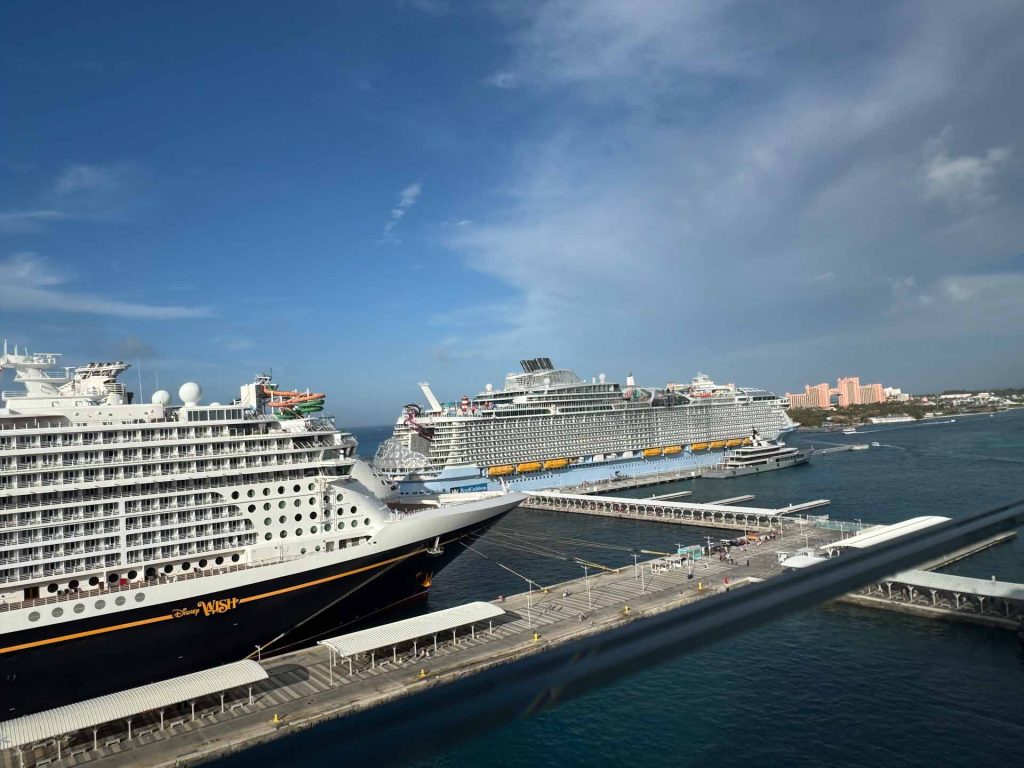
Ocean ships can carry thousands of passengers and are designed with variety in mind.
Onboard, you’ll typically find:
- Multiple restaurants and dining options
- Full-scale shows and entertainment
- Pools, spas, and activity spaces
Cruise lines like Celebrity Cruises and Princess Cruises tend to attract travelers over 50 by offering a more refined version of this experience, with more upscale offerings and less chaos of other more family friendly lines.
More Flexibility in How You Spend Your Time
In the river cruises vs ocean cruises comparison, flexibility is where ocean cruising stands out.
You can:
- Choose from a wide range of onboard activities conducted daily, from fitness classes and crafts to games, such as trivia, bingo and curling
- Enjoy downtime on sea days as part of the experience, where you partake in onboard activities or do nothing at all
Travelers who prefer a broader array of options and don’t mind a slower pace with more built in downtime, often choose and ocean cruise over a river cruise.
Broader Range of Destinations
Ocean cruises can cover far more geographic ground than river cruises, often visiting multiple countries. Consider one of Celebrity’s Panama Canal cruises. After touring Cartagena, Columbia and making a partial transit of the Panama Canal, you’ll sail toward the Caribbean to visit Aruba, Bonaire and Curacao, destinations known as the ABC Islands. This itinerary covers hundreds of nautical miles all in a short 11-day time span and hits well-known and coveted bucket-list destinations.
While river cruises can be just as prolific, covering ground from Amsterdam to Basel Switzerland for example, travel stops are limited to riverside villages or nearby communities. Ocean cruises tend to visit popular destinations, such as Rome, even if docking ports are miles away.
If your goal is to see a wider range of well-known destinations, ocean cruising offers more possibilities.
Shore Excursions Are More Plentiful
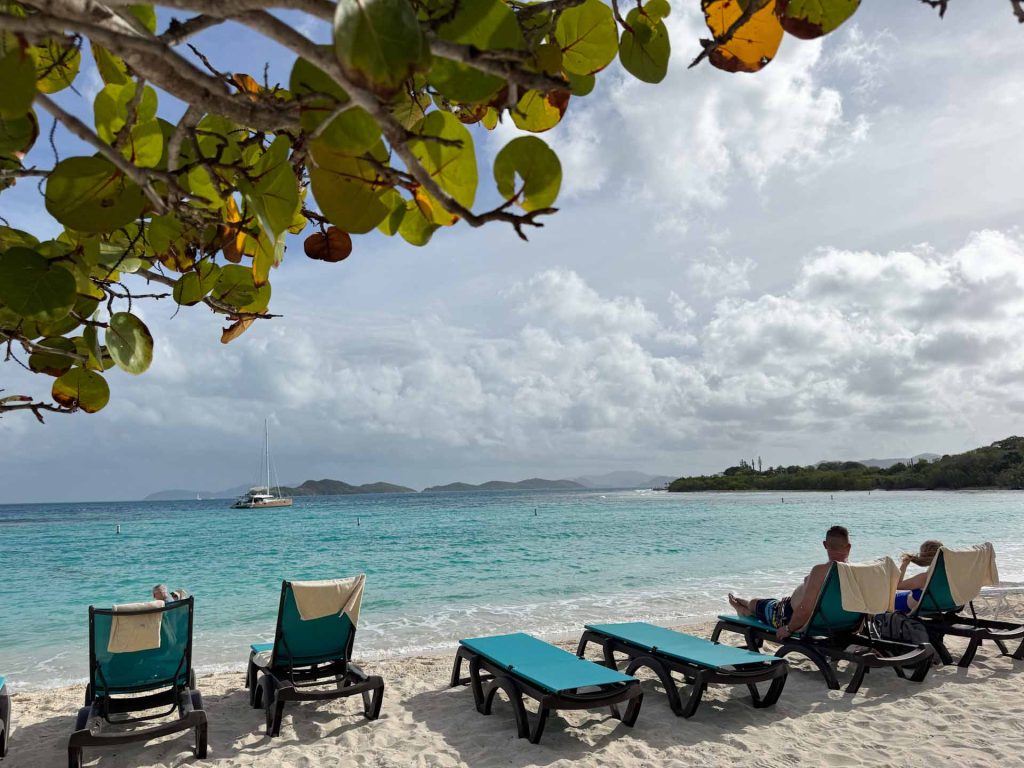
Unlike river cruises, excursions are usually not included in an ocean cruise. Instead, lines contract with local providers to offer shore excursions to their guests. Without the pressure to hire guides and plan adventures, Cruise lines can offer a greater variety of tours and other local experiences. Come common examples include:
- Cultural tours of nearby cities, landmarks or well-known destinations
- Experiences for foodies who want to explore the cuisine of a region
- Adventure tours, such as zip lining, kayaking, snorkeling
- Sailing trips to offshore attractions
While some travelers prefer the peace of mind of having their shore excursions planned in advance—as you’d find on a river cruise—others revel in the variety offered by ocean cruises and the chance to select from a broad range of curated experiences with pre-vetted providers.
Ocean Cruising: Few Inclusions but Greater Onboard Variety
In many ways, ocean cruising includes fewer amenities in the price of your fare. Alcoholic beverages, soda, bottled water, WiFi and shore excursions are all priced separately. The trade-off? Fares on ocean voyages can be less costly than those of well-known river cruise lines. This gives travelers the chance to opt out of certain costs and pay more for those things they find most valuable.
Many ocean cruisers also appreciate the wider range of onboard activities afforded by ocean cruise lines. Large stage productions, game shows, comedy acts and a large range of interactive activities are available for guest throughout the day and night as are venues for taking in live music or enjoying a cocktail. For certain guests, the presence of a casino on ocean ships is a make or break proposition.

River Cruises vs Ocean Cruises: Which Is Better After 50?
When comparing river cruises vs ocean cruises for travelers over 50, the decision usually comes down to travel style. Keep in mind that ocean cruises offer greater variety and river cruises can offer more flexibility. It’s more common for ocean lines to dock in port for several hours before sailing away again, meaning travelers may be limited by tight schedules in the ports they visit. Since ports are closer together when traveling by river, you may spend more nights docked in a city or town, giving you the opportunity to leave the ship and explore independently.
River Cruises Are Better If You Want:
- A quieter, more intimate experience
- Easy access to destinations without long transfers (walk into town at night or enjoy more independent exploration)
- Included excursions and simplified planning
- Cultural immersion and guided experiences
- A quicker but richer touring experience
Ocean Cruises Are Better If You Want:
- More onboard variety and entertainment
- A wider selection of destinations
- Flexibility in how you structure your days
- Larger ships with more amenities
- A mix of relaxation and activity
The Bottom Line: River Cruises vs Ocean Cruises
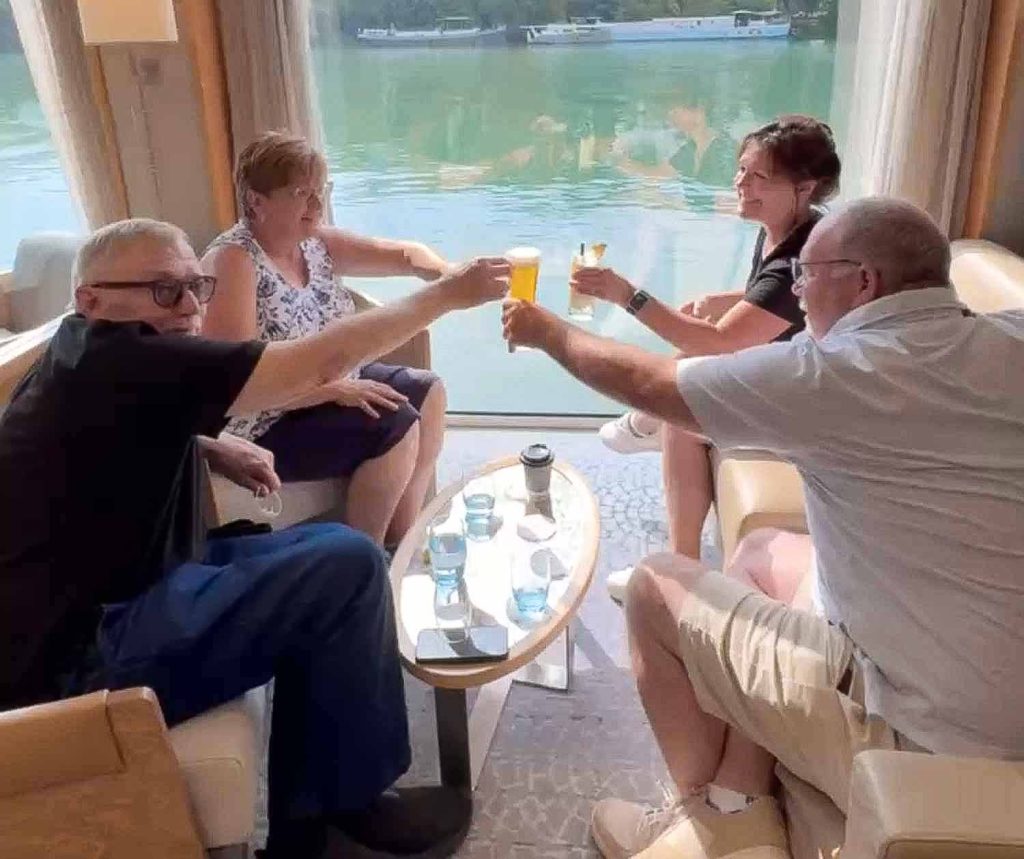
The truth is, selecting between river and ocean cruises isn’t about choosing the “better” cruise—it’s about choosing the right experience for the trip you want to take.
Many travelers over 50 find that river cruises and ocean cruises serve different purposes:
- A river cruise is ideal for immersive European travel
- An ocean cruise is often better for broader, more varied itineraries
If your priority is ease, access, and depth, river cruising often comes out ahead.
If your priority is choice, flexibility, and onboard experience, ocean cruising may be the better fit.
And once you understand that difference, the decision becomes much clearer—not just for this trip, but for how you plan future travel as well.
More Cruise Tips and Information for 50+ Travelers


Kathleen Hesketh is a travel advisor, travel writer, and lifelong explorer with more than a decade of experience helping travelers plan memorable vacations. As an affiliate of Main Street Travel, LLC, she specializes in cruises, Disney destinations, guided tours, and custom travel experiences for families, couples, solo travelers, and adults over 50. Kathleen is a graduate of Disney’s College of Knowledge, a CLIA-affiliated cruise professional, and a certified specialist with leading travel brands including Viking and Royal Caribbean. Through her travel website, K Hesketh Travel, she combines professional expertise with practical, real-world advice to help travelers plan with confidence.
1 thought on “River Cruises vs Ocean Cruises: Which Is Better for Travelers Over 50?”
Comments are closed.